

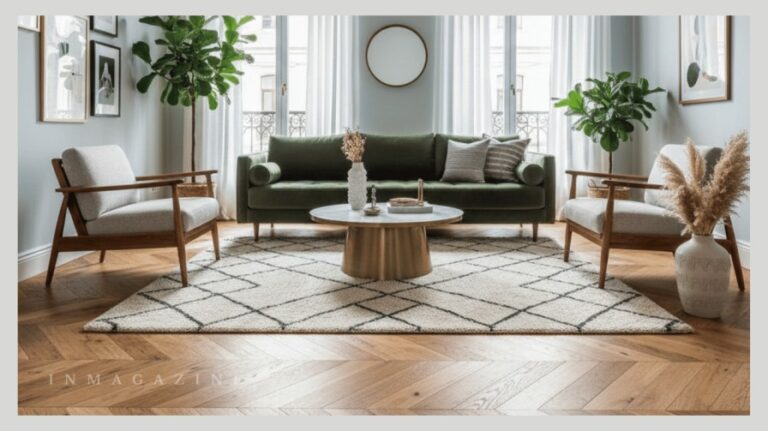
There’s something quietly captivating about the herringbone pattern. Whether seen in a grand old townhouse or a freshly renovated flat, its angled symmetry draws the eye and brings a touch of craftsmanship to any space. once considered a classic of traditional interiors, herringbone has made a striking comeback in the world of flooring as well as interior design.
This revival reflects a growing appreciation for patterns that balance order and artistry, blending old-world charm with modern sensibilities.
A Pattern Steeped in History
The herringbone layout traces its origins back centuries, inspired by the bones of the herring fish. Romans used it in roads, while later it appeared in European parquetry, particularly in French and Italian palaces. For a while, it symbolised luxury and precision with each piece of wood being laid meticulously to form a cohesive, rhythmic design.
Today’s renewed love for herringbone is less about opulence and more about character. Homeowners are rediscovering the warmth and visual interest it brings without overwhelming a space. In a design world saturated with minimalism, this parquet flooring feels refreshingly tactile and expressive, celebrating craftsmanship in an age of mass production.
Why Herringbone Has Returned
Part of herringbone’s resurgence lies in a wider move towards texture and heritage. People are seeking homes that feel grounded, layered, and authentic. A perfectly plain floor or wall can sometimes feel too sterile, while a patterned surface adds instant depth and dimension.
Social media has played its part too. The pattern photographs beautifully, especially when light hits the angled planks, creating subtle shifts in tone. Interior designers have embraced this, using herringbone as a visual anchor in open-plan living spaces or to zone areas subtly; perhaps distinguishing a dining corner from a lounge area without physical barriers.
There’s also a sustainability angle. Instead of ripping out old parquet, many renovators now restore it, valuing the longevity and story behind each timber block. Reclaimed wood in herringbone formation offers both charm and eco-conscious appeal, particularly when paired with natural stone or recycled materials.
How to Incorporate Herringbone at Home
For those considering the look, herringbone works beautifully in both traditional and modern settings. It’s all about balance. In period homes, tit complements ornate mouldings, heritage colours, and antique furnishings. Whereas, in contemporary spaces, it acts as a statement piece that’s best paired with simple walls, clean-lined furniture, and neutral tones to let the pattern shine.
Flooring is, of course, where herringbone shines bright the most. Classic oak remains a favourite, its warm hues softening even the sleekest modern rooms. For a bolder aesthetic, consider darker woods or even painted finishes. Pale, limed tones work well in Scandinavian-inspired spaces, creating a gentle interplay between light and shadow.
The Psychology of the Pattern
Beyond aesthetics, patterned layouts like herringbone have a psychological effect too. The directional nature of the design creates movement, subtly guiding the eye through a room;. This can make narrow spaces appear longer or lend energy to static layouts. There’s a sense of rhythm and balance that feels both comforting and dynamic; an appealing blend for modern lifestyles seeking calm yet personality-filled spaces.
The geometry of herringbone also taps into a wider craving for visual harmony. Amid the unpredictability of daily life, structured patterns bring a reassuring sense of order. It’s not surprising that, in an era of constant change, interiors that blend stability with artistry are thriving.
Is Herringbone a Worthwhile Investment?
This parquet flooring revival isn’t just a passing fad. It’s timelessness lies in its adaptability, whether in rustic oak boards, sleek porcelain tiles, or even luxury vinyl designs. It offers enduring value, not merely because it’s beautiful, but because it enhances the feel of a home.
That said, it does require more precise installation than straightforward plank layouts, so working with an experienced fitter makes all the difference. For those willing to invest in a design that bridges eras, herringbone delivers long-term satisfaction and a unique sense of style.
A Timeless Pattern for Modern Homes
The charm of herringbone lies in its ability to evolve. It honours tradition while fitting seamlessly into contemporary living. Its pattern adds personality without shouting, structure without rigidity, and texture without clutter. Herringbone proves that good design endures as it gracefully adapts to each generation’s taste, while retaining its timeless allure.
Author Bio:
Sophie Marlowe works as a digital content writer and outreach executive at Luxury Flooring, creating engaging home improvement and decor articles with a particular emphasis on flooring. Sophie writes handy how-tos, easy guides, and helpful comparisons, letting the reader be informed and inspired to take their home to the next level.
