

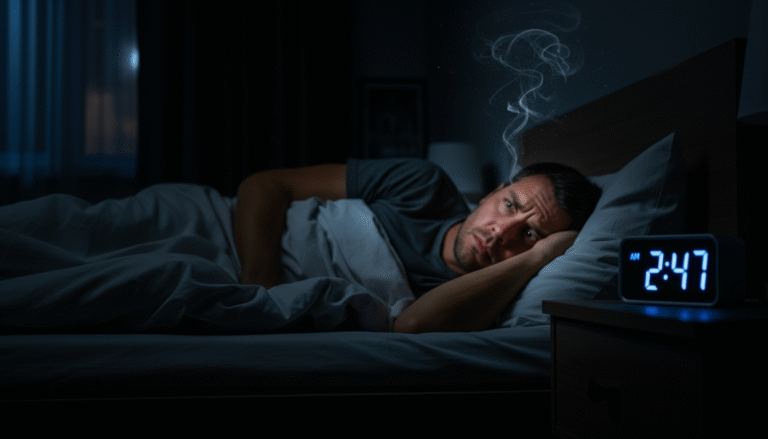
Sleep should be the body’s natural reset button, yet for many people, nighttime becomes a battleground of racing thoughts and restlessness. If you’ve ever wondered whether anxiety causes insomnia at night, the answer is a clear yes, especially for those dealing with generalized anxiety disorder (GAD).
Up to 75% of individuals with GAD struggle with sleep disturbances, making it one of the most overlooked triggers of chronic insomnia. The constant worry, heightened stress hormones, and physical tension make it difficult to fall asleep or stay asleep.
The good news is that understanding the connection between anxiety and sleep can help break this exhausting cycle. With the right strategies, it’s possible to calm the mind, restore healthy sleep, and regain control over your nights.
How Anxiety Triggers Insomnia: Key Mechanisms?
Anxiety doesn’t just affect your thoughts, it disrupts your entire nervous system, making restful sleep difficult. Understanding how generalized-anxiety-disorder symptoms interfere with sleep helps explain why insomnia becomes a nightly struggle.
- Increased cortisol and adrenaline levels
- Overactive nervous system
- Persistent mental stimulation
Hyperarousal and the “Fight or Flight” Response
Hyperarousal is one of the primary ways anxiety cause insomnia at night. When your brain perceives stress, it activates the “fight or flight” response, releasing adrenaline that keeps your body alert instead of relaxed.
This heightened state prevents the natural transition into sleep. Even when you feel physically tired, your mind remains awake, scanning for potential threats or worries.
Over time, this constant alertness trains your brain to associate nighttime with stress rather than rest. As a result, falling asleep becomes increasingly difficult, even in a quiet environment.
Intrusive Thoughts and Mental Overload
At night, distractions disappear, allowing anxious thoughts to take center stage. People with generalized-anxiety-disorder symptoms often experience repetitive thinking patterns that intensify in silence.
These intrusive thoughts can revolve around future uncertainties, past mistakes, or imagined worst-case scenarios. The brain struggles to “switch off,” leading to prolonged sleep onset.
Mental overload also increases emotional sensitivity, making worries feel more intense than they would during the day. This creates a loop where thinking prevents sleep, and lack of sleep worsens thinking.
Physical Symptoms That Block Sleep
Anxiety doesn’t just stay in the mind; it manifests physically in ways that interfere with rest. Muscle tension, rapid heartbeat, and shallow breathing make it hard for the body to relax.
These physical symptoms keep the nervous system active, preventing the deep relaxation needed for sleep. Even minor discomfort can disrupt the process of falling asleep.
Over time, the body becomes conditioned to remain tense at night. This physical resistance to relaxation is a major reason why anxiety-related insomnia persists.
The Vicious Cycle: Anxiety and Insomnia Feeding Each Other
Anxiety and insomnia don’t exist independently, they fuel each other in a continuous loop. Once this cycle begins, it becomes harder to break without targeted strategies.
- Poor sleep increases emotional instability
- Stress about sleep worsens anxiety
- Chronic fatigue reduces coping ability
From Sleepless Nights to Heightened Anxiety
When sleep is disrupted, the brain struggles to regulate emotions effectively. Even small stressors can feel overwhelming after a night of poor rest.
Lack of sleep also increases cortisol levels, which further intensifies anxiety symptoms. This creates a biological feedback loop that keeps the body in a stressed state.
Over time, chronic sleep deprivation can worsen generalized-anxiety-disorder symptoms, making daily life more difficult to manage.
Sleep Anxiety and Bedtime Dread
Many people develop “sleep anxiety,” where the fear of not being able to sleep becomes a problem in itself. The bed, which should feel safe, becomes a source of stress.
This dread can trigger anxiety even before bedtime arrives. The anticipation of another sleepless night increases mental tension and emotional distress.
As this pattern continues, the brain begins to associate nighttime with failure and frustration. Breaking this association is essential for restoring healthy sleep.
Treatment Approaches for Anxiety-Induced Insomnia
Addressing both anxiety and insomnia together is key to long-term relief. Effective treatment focuses on calming the mind while restoring natural sleep patterns.
- Combined mental and physical strategies
- Focus on long-term improvement
- Personalized treatment approaches
Psychological Interventions
Cognitive Behavioral Therapy (CBT) is one of the most effective treatments for anxiety-related insomnia. It helps identify and change negative thought patterns that disrupt sleep.
Therapy also teaches coping mechanisms to manage stress and reduce overthinking. Over time, this rewires the brain’s response to anxiety triggers. Professional counseling provides structured support, making it easier to break the cycle of anxiety and sleeplessness.
Lifestyle and Behavioral Strategies
Daily habits play a significant role in sleep quality. Maintaining a consistent sleep schedule helps regulate the body’s internal clock. Reducing caffeine and screen exposure before bedtime can also improve sleep onset. These small changes create an environment more conducive to rest.
Healthy routines reinforce stability, which is especially important for those dealing with generalized-anxiety-disorder symptoms.
Relaxation Techniques for Better Sleep
Relaxation techniques help calm both the mind and body before bedtime. Deep breathing exercises reduce heart rate and promote a sense of calm.
Progressive muscle relaxation helps release physical tension accumulated throughout the day. This prepares the body for sleep. Mindfulness and meditation encourage present-moment awareness, reducing the impact of intrusive thoughts.
Medication Options and Considerations
In some cases, medication may be prescribed to manage severe anxiety and insomnia. Drugs like clonazepam can help reduce anxiety symptoms and improve sleep.
However, use such medications under medical supervision. Self-medicating or attempting to buy klonopin clonazepam 2mg without a prescription can be unsafe. Long-term success depends on combining medication with behavioral and psychological strategies.
Practical Tips to Break the Anxiety–Insomnia Cycle
Breaking the cycle requires consistent effort and practical strategies. Small daily changes can significantly improve both anxiety levels and sleep quality.
- Focus on routine and consistency
- Reduce nighttime stimulation
- Build relaxation habits
Daytime Habits That Improve Night Sleep
Regular physical activity helps reduce stress hormones and improve sleep quality. Even light exercise can make a difference.
Limiting daytime naps ensures that your body builds enough sleep pressure for the night. This makes falling asleep easier. Balanced nutrition and hydration also support overall well-being, which indirectly improves sleep.
Nighttime Strategies for Immediate Relief
Creating a calming bedtime routine signals the brain that it’s time to relax. Activities like reading or listening to soft music can help. Journaling anxious thoughts before bed can clear mental clutter. This reduces the likelihood of intrusive thoughts during sleep.
Avoiding screens and bright lights helps regulate melatonin production, making it easier to fall asleep naturally.
FAQs
1. Can anxiety really cause insomnia at night?
Yes, anxiety cause insomnia at night by increasing stress hormones and mental activity. This makes it difficult to relax, fall asleep, and stay asleep.
2. What are common generalized-anxiety-disorder symptoms affecting sleep?
Symptoms include excessive worry, restlessness, muscle tension, and difficulty concentrating. These factors disrupt both sleep onset and sleep maintenance.
3. How can I calm anxiety before bed?
Practicing deep breathing, meditation, and maintaining a consistent sleep routine can help calm the mind and prepare the body for sleep.
4. Is medication necessary for anxiety-related insomnia?
Not always. Many people improve with therapy and lifestyle changes, but medication may be helpful in severe cases under medical guidance.
5. How long does it take to fix anxiety-induced insomnia?
Recovery varies, but consistent strategies and treatment can show improvement within a few weeks to a few months.
Reclaim Your Nights from Anxiety
Anxiety and insomnia often feel like an endless loop, but they don’t have to control your life. Understanding how generalized-anxiety-disorder symptoms affect sleep is the first step toward meaningful change.
By addressing both the mental and physical aspects of anxiety, you can gradually restore healthy sleep patterns. Simple strategies like relaxation techniques, consistent routines, and professional support can make a powerful difference.
The key is consistency and patience. With the right approach, you can break the cycle, calm your mind, and finally experience the restful nights you deserve.
